





Nursery Grade Foam for Baby Cot Mattress
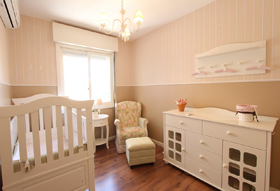
Many of us sleep on foam mattresses, whether memory foam or another type, and their popularity has grown significantly over the past decade. Naturally, parents want to share the comfort of foam bedding with their children – but many don't realise that the foam supplied for adult mattresses and cushions is not suitable for young children, particularly babies.
Why nursery-grade foam matters
A specialist type of foam, known as nursery-grade foam, is required for all cots and soft foam furnishings intended for babies and young children. What springs to mind first is the risk of a fire hazard, and parents are naturally cautious about flammable objects around their children. Yet that isn't the primary concern: it's the fire-retardant properties themselves, enabled by certain chemicals, that can be most harmful.
Nursery-grade foam, and cot mattresses in particular, are made from a specialist flexible polyurethane foam free from flame retardants known to have harmful effects. Chemicals used in some other foam products (though never in eFoam's) include arsenic, barium, antimony and phosphorus compounds, each known to be linked with neurological and physical issues in young children, and therefore considered toxic and inappropriate for this use.
British Standards for cot mattresses
All upholstery grades and nursery-grade foam mattresses sold by reputable suppliers such as eFoam comply with British Standards, reassuring parents their choice is safe and comfortable. As the requirements for cot mattresses are more involved than for regular foam, there are three BS codes to look out for: BS 1877-10:2011+A1:2012, BS 7177:1996 and the newer BS EN 16890:2017. All reflect advanced safety standards for nursery-grade foam, with the 2017 standard confirming a number of cot-mattress safety tests.
eFoam's HR28 100 cot-safe foam
So which product is best for your child? At eFoam, our cot-safe foam is specially formulated to meet both industry standards and our high customer expectations. Although phosphorus compounds can be used in some cot foams, eFoam is proud to produce its own specialist grade, HR28 100, which is free from all harmful fire retardants including phosphorus. It's a soft-medium density foam that provides appropriate comfort and support for babies and young children, and we can supply cot-safe foam cut to size and shape.
Choosing a cot mattress
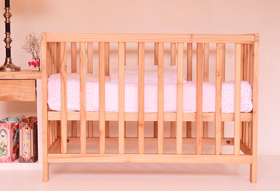
When buying a cot or cot-bed mattress, look for a firm and flat product. Waterproof covers are easy to find in common cot sizes, and at eFoam we can also cut your cot mattress to a specific size to fit snugly. When you press the mattress by hand, there should be a small amount of resistance and it should spring back immediately. Overall, we recommend a cot mattress at least 10cm thick to properly support a baby's weight. For older children's play areas, see our guide to playpen and soft-play foam.
For more information on eFoam's nursery-grade foam, or to discuss your requirements with one of our friendly advisers, please contact us.
Frequently asked questions
What is nursery-grade foam?
Nursery-grade foam is a specialist flexible polyurethane foam used in cots and soft furnishings for babies and young children. It is free from certain flame retardants known to be harmful, such as arsenic, barium, antimony and phosphorus compounds.
Which British Standards apply to cot mattresses?
There are three BS codes to look for: BS 1877-10:2011+A1:2012, BS 7177:1996, and the newer BS EN 16890:2017. All reflect advanced safety standards for nursery-grade foam, with the 2017 standard confirming a number of cot-mattress safety tests.
How firm and thick should a cot mattress be?
A cot or cot-bed mattress should ideally be firm and flat. When pressed by hand it should give a small amount of resistance and spring back immediately. We recommend a thickness of at least 10cm to properly support a baby's weight.