





Foam for a DIY Indoor Treehouse
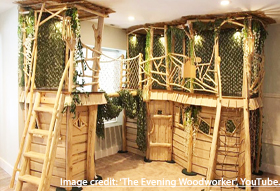
Indoor treehouse-style play areas have rocketed in popularity in recent years. Mostly extravagant and seen in the US in larger-than-average homes, you may wonder whether something similar is feasible in a smaller UK home. With a little imagination, creativity and the right raw materials, it is.
Planning your treehouse frame
When visualising your own DIY indoor treehouse, consider size, materials and design. Despite the glossy, oversized designs that dominate inspiration boards like Pinterest, the structure of your chosen frame matters. Many build an indoor treehouse as a standalone structure that stands steady on its frame, but if you own your home and want something more permanent, you can fix it to the walls for an appearance closer to the built-in fixtures seen online.
Foam for safety and comfort
Alongside a hardwood frame, several other materials make up a treehouse. Polyurethane foam is popular for safety and comfort, including protecting little heads from hard, sharp corners. If your design has a loft-like element, pad underneath with a thin foam sheet – a medium to high density polyurethane around one to two inches thick, depending on the protection you want. Our guide to soft-play and playpen foam covers more on child-safe padding.
Decorative foam features
Building your own treehouse lets you design it however you wish, and foam plays a part here too, forming toy components and soft embellishments. For a jungle theme, foam can create soft faux shrubbery to decorate the frame, or interactive foam leaves made by covering a foam shape with fabric and attaching it to the frame or walls with Velcro. Our cut to size capabilities mean any design is achievable – just enter your dimensions and send a true-to-size template of your shapes.
A sleep or camping area
One of the main attractions for children is the chance of campouts with friends, so consider a sleep or camping area using foam sheets and components for comfort. For floor mats, we'd recommend a medium to high density polyurethane foam sheet around two to three inches deep. If the sleep area is next to a supporting wooden post, custom cut-to-size foam can pad it, and for extra comfort, high-density foam blocks make portable seats for little campers. We came across a great example of a DIY indoor treehouse built by The Evening Woodworker – take a look at their step-by-step YouTube video for inspiration. For more children's ideas, see our guide to educational foam toys.
For questions about custom DIY projects incorporating foam, do contact our friendly team.
Frequently asked questions
Can you build an indoor treehouse in a small UK home?
Yes. With a little imagination, creativity and the right raw materials, a treehouse-style play area is feasible in a smaller home. It can be a standalone structure that stands on its own frame, or fixed to the walls for something more permanent.
How is foam used in an indoor treehouse?
Polyurethane foam is popular for safety and comfort – padding sharp corners and loft floors (a medium to high density foam, one to two inches thick), forming soft faux foliage and interactive leaves, and making comfortable floor mats and seats.
What foam suits a treehouse sleep area?
For a sleep or camping area, a medium to high density polyurethane foam sheet around two to three inches deep makes a comfortable floor mat. Cut-to-size foam can pad supporting posts, and high-density foam blocks make portable seats.