





Foam for Life Jackets and Swim Vests
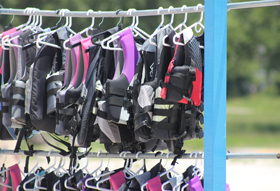
Whether in open water or a dedicated facility such as a swimming pool, safety is paramount, particularly for establishments open to the public that must adhere to health and safety regulations.
When is a life jacket required?
In some settings, such as public swimming pools, life jackets and swim vests are a precaution. In open water such as white-water activity centres, ponds and lakes, safety equipment is not optional, and the same applies at sea for activities like paddleboarding, rafting and banana boat riding. The more open and unsupervised the water, the greater the risk. The Royal Yachting Association recommends wearing a life jacket in open water even if you aren't certain it's necessary.
Life jackets vs swim vests
So what are the differences? Life jackets are recommended where an individual may depend wholly on their buoyancy to stay afloat, and possibly alive, in open water. These are supplied at Level 150, suitable for general offshore and rough-weather use, while Level 275 suits those carrying significant weight and needing additional buoyancy.
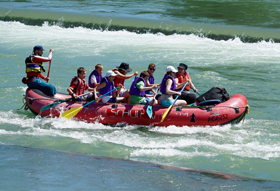
You may also have seen a Level 50 jacket, more commonly known as a swim vest. Swim vests suit adults and children who are usually supervised in the water with a means of rescue to hand. They require active participation, helping the person maintain a natural position when learning to swim, and are usually very thin closed-cell polyethylene foam cut to size and shape, generally 2mm to 5mm. Level 50 swim vests suit light water sports such as windsurfing, canoeing and water-skiing on still water, offering mobility for those who can swim fair distances.
Why closed-cell foam?
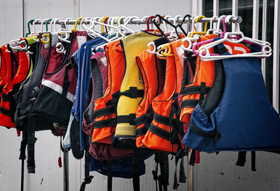
Accredited life jackets are designed to manoeuvre an unconscious person into a safe, upright position, forcing the mouth and nose above water to maintain breathing. By nature, closed-cell foam is naturally buoyant, making it the material of choice for all approved industry-standard life jackets, regardless of level. Lightweight closed-cell polyethylene foam is inherently buoyant and fail-safe in all types and temperatures of water. For related water uses, see our guides to foam for poolsides and foam for boats.
eFoam provides up-to-date industry advice and foam product recommendations for those wanting to stay safe in the water. To speak to one of our friendly, knowledgeable advisers about your needs, please contact us.
Frequently asked questions
What foam is used in life jackets?
Closed-cell polyethylene foam is the material of choice for approved industry-standard life jackets, regardless of level. It is naturally buoyant, lightweight and fail-safe in all types and temperatures of water.
What is the difference between a life jacket and a swim vest?
Accredited life jackets (Level 150 for general offshore use, Level 275 for extra buoyancy) are designed to turn an unconscious person face-up so the mouth and nose stay above water. A swim vest (Level 50) requires active participation and is for supervised users with rescue to hand.
When should you wear a life jacket?
Open and unsupervised water carries the greatest risk. The Royal Yachting Association recommends wearing a life jacket in open water even when you are not certain it is necessary.