





Foam in Care Settings: Mattresses, Pressure Care and Supports

Those who work in care settings are no strangers to foam. From hospitals and nursing homes to hospices, there are many ways it's used, and care settings draw on a wide variety of grades, thicknesses and types of foam.
Foam mattresses and pressure care
If you've ever had an overnight stay in a hospital or respite home, foam mattresses will have helped keep you comfortable. Medium-high density foam is commonly used here for its antibacterial properties, and it's recognised for its ability to minimise and prevent pressure sores – a common, uncomfortable problem for those who spend a lot of time immobile.
Memory foam mattresses and seats are also valued by medical professionals as part of the main approach to preventing pressure sores and ulcers. As an orthopaedic support, memory foam distributes bodyweight and conforms to the shape of the body. Alternatively, high-density convoluted or cubed foams are frequently used to redistribute pressure over a larger contact area.
Orthopaedic foam supports
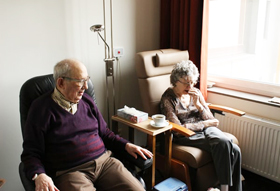
Foam can be cut into many shapes as a support device. Angled foam blocks are used as orthopaedic footrests to maintain blood flow and foot positioning, and small curved blocks are frequently used as lumbar supports for those spending a lot of time in an armchair or wheelchair. Those sitting stationary can also find comfort in specialist-cut neck supports, which wrap around the neck or sit either side.
Foam in assisted-care devices
In care facilities, foam is found in assisted-care devices including commodes, hoists and raised toilet seats. High-density polyurethane is frequently used for its durable, hygienic qualities and comfort. In medical hoists, foam blocks cut to various shapes serve as neck and back supports, placed in the hammock when a patient is moved to maintain correct positioning and prevent injury.
Foam for patient movement
High-density polyurethane is also used in patient movement. Transportation mats are placed under bed-bound patients to safely lift and slide them onto a trolley, and these strong mats are also used when a patient needs to be turned or rolled for procedures or washing. Foam is commonly used in powered armchairs too: cut to size and shape, it's an excellent stuffing that bends and reshapes with the chair's automatic movement, from reclining to tipping forward.
eFoam is a leading supplier of polyurethane foam for care settings, making high-quality foam accessible and affordable. For related uses, see our guides to medical uses of foam and foam for disabilities. Should you need any help with foam for care environments, please contact us.
Frequently asked questions
What foam helps prevent pressure sores?
Medium-high density foam and memory foam are widely used, as memory foam distributes bodyweight and conforms to the body to help prevent pressure sores and ulcers. High-density convoluted or cubed foams also redistribute pressure over a larger contact area.
What foam is used in care home mattresses?
Medium-high density foam is commonly used for its antibacterial properties and its recognised ability to minimise and prevent pressure sores, a common problem for those who spend a lot of time immobile.
How is foam used in patient movement?
High-density polyurethane transportation mats are placed under bed-bound patients to safely lift and slide them onto a trolley, or to turn and roll them for procedures or washing. Foam blocks also serve as neck and back supports in hoists.