





Chemical Recycling of Polyurethane Foam

Sustainability and recycling are at the forefront of the foam sector, with innovations in development by the day. We often hear about plastic bags, bottles and single-use plastics, and their solutions are well publicised – but the foam sector is making a significant impact too, recycling the polyurethane used in mattresses, shoes and upholstered furniture, among other applications.
At eFoam we enjoy keeping up to date with the latest developments, and we're pleased that so many concern new, sustainable practices, from recycling methods to product efficiency. Here we report on developments from some of the industry's biggest players.
Repsol's circular economy solution
In the past, the most common ways to dispose of polyurethane foam were incineration and landfill. This isn't a practice we promote, and we're pleased to see the industry shifting away from it as we become more environmentally conscious and as new environmental regulations take effect, moving toward physical and chemical recycling.
By the end of 2022, global energy company Repsol planned to build Spain's first specialist plant for the chemical recycling of polyurethane foam – capable of processing over 2,000 metric tons of waste per year, helping to reduce the amount of foam sent to landfill. Repsol pledged a €12 million investment to get the plant running.
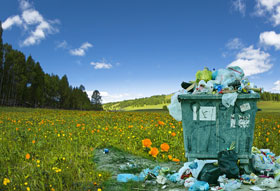
Repsol's chemical recycling is based on circular-economy principles: a single material is used and reused endlessly, however many times it's recycled. The company aims to recycle polyurethane by producing circular polyols from it – the raw materials used to make any polyurethane foam product – taking full advantage of a sustainable recycling circle. Repsol has been transforming its production centres into multi-centre hubs aiming for a low, zero or carbon-negative footprint, and announced it would dedicate €700 million to circular-economy projects through to 2025.
Covestro's circular economy solution
One of the world's leading polyurethane providers, Covestro, is working with global partners to embrace a circular-economy supply chain, aiming for PU materials that are forever recyclable in an infinite lifecycle. It calls this "smart chemolysis", using chemical engineering to break polyurethane foam back down to its original elements.

A historic challenge in chemically recycling polyurethane is that it decomposes at high temperatures and can't be melted. Because of foam's versatility it has rarely needed breaking down – it's long been recycled in other ways, such as processing it into crumb foam for public transport and hospitality seating. Covestro is adding to these methods by investigating chemical catalysts to break the foam down into polyol and TDA. This work is under way in Leverkusen, Germany, and is likely to span Europe if successful. Covestro is also developing a process to recover and recycle toluene diamine (TDA), a key component of polyurethane.
Covestro has also been praised for how it sorts foam at the start of the process. Its current focus is chemically recycling polyurethane from mattresses, which contain many different parts, and it has pioneered technology that uses algorithms to identify and separate the various foam types, removing pieces treated with additives and fillers so they can be dealt with separately.
This is just a snapshot of wider initiatives across the sector. Dow, for example, is also investing in chemically recycling polyurethane foams and other materials, focusing on recovering polyols – the building blocks of foam.
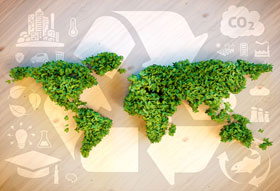
eFoam's part
Sustainability is at the heart of eFoam's operations, and we're proud to work only with suppliers and companies that manufacture their resources sustainably. We're pleased to see such strong commitment from some of the world's largest companies, and we also support products made from offcuts and unwanted foam. Much excess foam is repurposed into crumb foam by compacting pieces together, commonly found in reconstituted foam products such as pub seating, public transport seating, gym mats, crash mats and church kneelers, as well as packaging and sound insulation. It's a durable, long-lasting and resilient option for anyone wanting to use recycled foam offcuts.
For more on our own environmental practices, or how foam works as eco-friendly packaging, please contact one of our friendly advisers.
Frequently asked questions
Can polyurethane foam be chemically recycled?
Yes. Although polyurethane decomposes at high temperatures and can't be melted, companies such as Repsol, Covestro and Dow have developed chemical recycling that breaks the foam down into polyols (and components like TDA) to be reused in new foam, following circular-economy principles.
What is crumb foam?
Crumb foam is made by compacting and bonding excess foam offcuts together. It's a durable, long-lasting recycled material commonly used in pub seating, public transport seating, gym mats, crash mats and church kneelers, and also for packaging and sound insulation.
How was polyurethane foam disposed of in the past?
The most common methods were incineration and landfill. The industry is moving away from this towards physical and chemical recycling, driven by environmental awareness and new regulations for disposing of such products.