





The Ultimate Guide to Pool Filter Foam: Why Reticulated Foam is the Best Choice
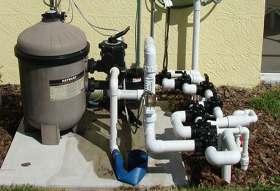
A swimming pool is a considerable investment, but paying for its upkeep shouldn't be. Despite the differences between indoor and outdoor pools, there are common factors for both.
The importance of pool filtration
Keeping a pool clear of physical debris is usually top of every pool owner's agenda, and goes hand in hand with keeping it sanitary. For visible debris, most pool owners use a net to scoop out contaminants. However, much of the bacteria in pools is caused by smaller debris and particles that need specialist filtration.
Types of pool filter
Filtration systems can be expensive – often because of the "specialist" label – but many are simple, and high cost doesn't necessarily mean higher quality.
The most popular pool filters are "paper" polyester-based cartridge filters. Home pools use these because they're a simple, tried-and-tested way to trap dirt and debris, much like the sand filters used in large public pools. Cartridge filters are made of spun polyester, or a combination of reticulated foams and polyester supported by a PVC core. Because of their pleated spun-polyester composition, though, they tend to clog easily.
Pressure-fed water filters, also known as sand filters, are used in larger and public pools for their advanced filtration, but they come at significant install and upkeep cost and typically need replacing every five years, so they're uncommon in home pools.
Reticulated foam: a reusable alternative
Cartridge filters are affordable but don't last long, which also makes them wasteful rather than eco-friendly. This is where foam is an excellent solution. Reticulated foam, commonly used for aquatic filtration, offers the same level of filtration as a cartridge filter. As an open-cell polyether-based polyurethane foam, it is chemically stable and reduces bio-waste in water, and it resists humidity, soap, oils and lubricants.
Custom foam filter cartridges
Whereas some polyester cartridges need replacing weekly during heavy use, a foam cartridge is hand-washable many times over. Being reusable, your initial investment soon outweighs the cost of single-use cartridges, as foam is designed to last two months or more depending on use. Using eFoam's cut to size capabilities, we can create a foam filter cartridge to your exact specification and requirements – even to your desired filter strength. Just contact us directly with your measurements.
At eFoam we provide a high-quality, cost-effective and custom-made solution, and quality service needn't come at a significant cost. If you're also kitting out the pool area, see our guide to poolside foam. As the UK's leading foam manufacturer and supplier to individual customers and trade, eFoam is the retailer of choice for all foam types. Should you need any help with your foam pool filter, please contact us.
Frequently asked questions
Can foam replace a pool cartridge filter?
Yes. Reticulated foam, commonly used for aquatic filtration, offers the same level of filtration as a polyester cartridge filter. It is an open-cell polyether-based polyurethane foam that is chemically stable and reduces bio-waste in the water.
How long does a foam pool filter last?
A foam filter cartridge is hand-washable many times over and is designed to last two months or more depending on use, whereas some polyester cartridges need replacing weekly during heavy use.
What foam is used for pool filters?
Reticulated open-cell polyether-based polyurethane foam is used. It is chemically stable, reduces bio-waste, and is resistant to humidity, soap, oils and lubricants.