





What is a Memory Foam Pillow?
Memory foam pillows are recognised as the ultimate comfort solution, offering unrivalled head and neck support. But what makes them so good?
Pros and cons of memory foam pillows
Memory foam is praised for its body-contouring capabilities, designed to respond to heat and pressure from the body. Unlike regular pillows, memory foam pillows are breathable and don't tilt your head, ensuring adequate, night-long support and temperature control for back sleepers. They're therefore recommended for snorers and for those experiencing neck, shoulder or back pain.
Memory foam pillows are great for distributing body pressure, relieving high-pressure points such as the head. Memory foam is also a stabilising material: its high-density qualities mean it typically absorbs motion and movement so as not to disturb a co-sleeper. Memory foam body pillows are also available.
There are a few downsides, including the initial cost and overall density. Such pillows typically cost the same as mid- to high-range feather and synthetic pillows.
Is a memory foam pillow better than a regular pillow?
Memory foam pillows are generally preferred by back sleepers due to how they help align the neck and spine. They're usually hypoallergenic, making them great for allergy sufferers. However, they can come with an initial chemical smell, and some find them too hot at night.
Is it good to sleep on a memory foam pillow?
If support is your main consideration, yes. Memory foam pillows soften under body heat, enabling appropriate yet supportive pressure release. They also support the natural lines and contours of your body, ensuring a better night's sleep.
Can memory foam pillows hurt your neck?
A pillow should never cause neck pain, but polyurethane memory foam pillows may feel too rigid for new users at first. If your pillow is too soft or too firm, you may experience pain from improper neck support, so finding the right memory foam neck pillow can be a matter of trial and error.
Do memory foam pillows get softer?
Yes, memory foam pillows often get softer over time, with most of the softening happening in the first few days. They also get softer with warmth each night: on first contact a pillow may feel too firm, but it will soften slightly in the first few minutes.
Are memory foam pillows washable?
Unless specified otherwise, no. Memory foam is like a sponge and should not be put in the washing machine; memory foam pillows should be spot cleaned only.
Is a memory foam pillow good for side sleepers?
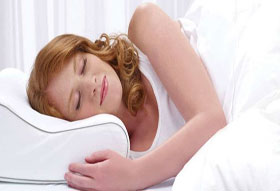
Some side and front sleepers find flat memory foam pillows too rigid, but it comes down to personal preference. A moulded pillow is often the best memory foam pillow for side sleepers, offering a high raised section that supports the neck but leaves room for the shoulder.
Are memory foam pillows toxic?
No, if bought from a responsible, high-quality UK manufacturer such as eFoam. However, some memory foams made outside the UK can contain toxic chemicals and isocyanates, which can cause irritation.
Which memory foam pillow is best?
The best memory foam pillow depends on your preferred sleeping position and whether you want a shaped or flat pillow. It's recommended that you try several in person before deciding, though standard memory foam pillows are typically the most popular. For more, see our memory foam pillow guide and our guide to how memory foam is made.