





Closed-Cell Polyethylene Foam: Uses, Benefits & Grades
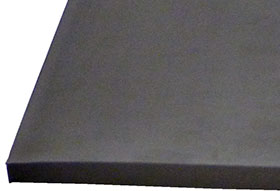
Closed-cell polyethylene foam is a strong, resilient foam whose sealed cell structure makes it moisture-resistant, chemically resistant and hard-wearing – which is why it is so widely used for packaging, marine, sports and insulation jobs. This guide covers what it is, its key properties, what it's used for, and the grades available.
What is closed-cell polyethylene foam?
Polyethylene foam is a closed-cell foam known for being very strong and resilient. It is chemically cross-linked, meaning it has been heated and inflated with chemical additives. It is rigid and tends to be used in industrial and commercial applications, including shock absorbing, buoyancy aids, packaging, thermal insulation, and even acoustic soundproofing and kneeling pads.
Key properties and benefits
Alongside its strength, closed-cell polyethylene foam offers the following properties:
- Resistant to chemicals.
- Moisture resistant.
- Resistant to grease and oil.
- Impervious to bacteria, mildew and mould.
- Temperature resistant between roughly −60°C and 90°C.
- Wear and tear resistant.
It is available cut to size or as sheets in a variety of thicknesses, from 3mm to 50mm. There is more on our closed-cell foam page.
What is closed-cell polyethylene foam used for?
As well as the commercial and industrial uses above – shock absorption, buoyancy, packaging, thermal insulation and soundproofing – closed-cell polyethylene foam is also handy around the home.
Around the home
One of our customers used it to insulate draughty loft doors. Here is what she had to say:
"The upstairs of our house has various cupboard doors and a loft hatch that lead into loft spaces, we found the areas around these doors were cold and drafty, despite us adding more loft insulation. A helpful person at eFoam gave us the idea of using closed cell polyethylene foam cut to size to insulate the inside of the cupboard doors and loft hatch, and this worked perfectly, we intentionally cut the foam to be very slightly larger than the door openings. We got the self-adhesive type so it was just a matter of sticking it to the inside of the doors. The tight fit of the foam makes the doors difficult to open and close but the insulating affect it provided is worth the trouble." – Bonnie, from Leicestershire.
Types and grades
For most industrial, packaging and insulation jobs, standard chemically cross-linked polyethylene foam (available cut to size or in sheets) is the workhorse choice. Where you need a higher specification, we also supply a premium grade.
Plastazote®

Plastazote® is a superior type of closed-cell polyethylene foam that has been inflated with nitrogen. It's available in various bright colours and thicknesses. See our Plastazote® page for more about this grade.
Frequently asked questions
Is closed-cell polyethylene foam waterproof?
It is highly moisture-resistant. The closed-cell structure does not absorb water, which is why it is widely used for buoyancy aids and marine applications.
What thicknesses is closed-cell polyethylene foam available in?
It is available cut to size or as sheets, in a range of thicknesses from 3mm to 50mm.
What is the difference between standard polyethylene foam and Plastazote?
Standard polyethylene foam is chemically cross-linked. Plastazote is a superior closed-cell polyethylene foam inflated with nitrogen, available in various bright colours and thicknesses.
What temperature range does closed-cell polyethylene foam withstand?
It is temperature-resistant between roughly minus 60 and plus 90 degrees Celsius.
Can closed-cell polyethylene foam be used for home insulation?
Yes. For example, a customer used self-adhesive closed-cell polyethylene foam cut to size to insulate draughty loft hatches and cupboard doors.