





The Science Behind Breathable Foam: A Deep Dive
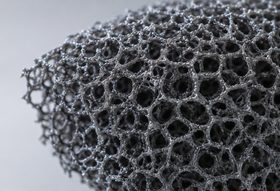
Breathable foam allows air to move through or around its cellular structure. That sounds simple, but airflow depends on more than whether a foam feels soft. Cell size, the number of open windows between cells, thickness and compression all influence how freely air can pass.
Understanding those factors helps explain why one foam suits a seat cushion while another is used in an aquarium filter or outdoor cushion.
Open-cell and closed-cell structures
Most flexible upholstery and acoustic polyurethane foams are open-cell. The cell walls contain openings that link neighbouring cells, creating pathways for air. This gives the material its springy feel and allows it to compress and recover.
Closed-cell foam has separate sealed cells. It's generally firmer, absorbs very little water and allows minimal airflow. This makes it useful for insulation, gaskets, buoyancy and protective packaging, but not for applications that rely on ventilation through the foam. Our guide to open-cell vs closed-cell foam compares the two in detail.
What controls airflow?
Cell size is one factor, but the openness of the connecting windows is just as important. A foam may have visible pores yet still restrict airflow if many cell membranes remain intact.
Thickness also matters. Air faces more resistance as it travels through a deeper piece. Compression reduces the size of the pathways, so a foam that breathes well when unloaded may pass less air when someone sits or lies on it.
Density and firmness are related to performance but don't directly measure breathability. Two foams of similar density can have different airflow because their cell structures are different. See our guide to foam density, weight and firmness for more.
What is reticulated foam?
Reticulation is a specialist process that removes most of the membranes between cells, leaving an open three-dimensional skeleton. The resulting foam allows water and air to move through far more freely than ordinary upholstery foam.
Reticulated polyether foam is widely used for pond and aquarium filters because its structure traps debris while allowing water flow. Different pore sizes, expressed as pores per inch or PPI, suit different filtration stages. eFoam supplies aquatic filter foam in a choice of PPI grades.
Breathability in mattresses and seating
Open-cell foam can help air circulate as the user moves and compresses the material. Profiled or convoluted surfaces also create channels around the body, which may improve ventilation compared with a completely flat contact surface.
However, no foam can guarantee that a sleeper will remain cool. Bedding, room temperature, mattress covers, body heat and humidity all affect comfort. Memory foam tends to conform closely to the body, so some people perceive it as warmer even when the underlying material is open-cell.
Outdoor and marine applications
Standard open-cell upholstery foam can absorb rainwater and remain wet for a long time. For outdoor cushions, reticulated quick-dry foam is often a better option because water can drain through it and air can circulate during drying.
Closed-cell foam takes the opposite approach: it resists water entering in the first place. It's suitable for kneeling pads, buoyancy and wipe-clean components, but doesn't provide the soft, ventilated feel of open-cell seating foam.
Acoustic foam and airflow
Acoustic foam is open-cell because sound energy needs to enter the material. As air particles move through the tortuous cell network, a portion of the acoustic energy is converted into a very small amount of heat.
That doesn't make acoustic foam a ventilation product, nor does it make it a complete sound barrier. Its purpose is to absorb reflected sound and reduce reverberation inside a room or enclosure. See our acoustic foam range for suitable applications.
Cleaning and care
Breathable foam should be kept clean without saturating it unnecessarily. Dust can block pores over time, particularly in filters. Follow the product-specific cleaning guidance and allow foam to dry fully before putting it back into service.
Filter foam may require regular rinsing, while upholstery foam is normally protected by a removable cover and stockinette. Avoid harsh chemicals unless compatibility has been confirmed.
Choosing breathable foam
Start with the job. For comfort, consider firmness, support and cover construction alongside airflow. For filtration, choose the correct PPI and chemical stability. For outdoor drainage, use a reticulated grade rather than ordinary upholstery foam.
Our foam grades guide explains the differences between open-cell, closed-cell and specialist products. Contact eFoam if you need airflow, pore size or environmental performance matched to a particular application.
Frequently asked questions
What makes foam breathable?
Breathability depends on more than softness. Open cells with open connecting windows let air pass, while thickness and compression add resistance – a foam that breathes well when unloaded may pass less air when someone sits on it. Density and firmness relate to performance but don't directly measure breathability, as two foams of similar density can differ in airflow.
What is reticulated foam?
Reticulation is a specialist process that removes most of the membranes between cells, leaving an open three-dimensional skeleton through which water and air move far more freely. Reticulated polyether foam is widely used for pond and aquarium filters, with different pore sizes (pores per inch, or PPI) suiting different filtration stages.
Is open-cell or closed-cell foam more breathable?
Open-cell foam is breathable: its linked cells create pathways for air, giving the springy feel used in upholstery and acoustic foam. Closed-cell foam has separate sealed cells, so it allows minimal airflow and absorbs little water – ideal for insulation, gaskets, buoyancy and packaging, but not for applications that rely on ventilation through the foam.
Does breathable foam keep you cool?
It can help air circulate as you move and compress it, and profiled or convoluted surfaces create channels around the body. However, no foam guarantees a cool night – bedding, room temperature, covers, body heat and humidity all matter. Memory foam conforms closely, so some people perceive it as warmer even when the underlying material is open-cell.