





Foam Beanbags
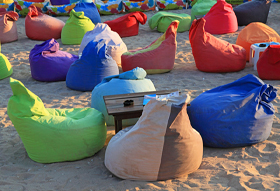
Beanbags have been popular for years with adults, teenagers and children alike. Often praised as a modern, portable comfort solution, they've evolved from spherical chairs to more advanced seating including recliner styles. They're excellent when new and intact, but a broken beanbag can cause chaos: filled with thousands of small, often static polystyrene balls, the filling is a nightmare if it splits, which makes conventional beanbags risky for children who like to jump and play on them.
Why foam beanbags?
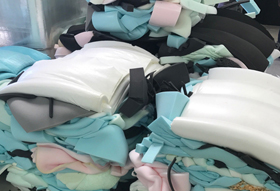
Many people use quilt and pillow stuffing instead, but the recommended alternative is a beanbag made with foam stuffing. Foam beanbags can be made from foam offcuts, which are incredibly comfortable, far less messy than polystyrene beads should the bag break, and much quieter to sit on and move about.
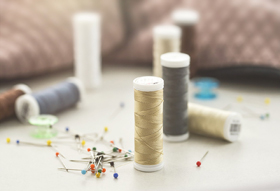
Making your own foam beanbag
Creating your own foam beanbag is a fun, simple project that even novice sewers can manage. First decide on size and shape – a spherical seat or a longer sofa-style lounger, a supported stitched-in shape or one malleable shape – as this affects how you measure the fabric. To make a simple seat-style beanbag you'll make two bags, an inner and an outer:
- Cut two pieces of inner fabric (cheap white quilted cotton works best) and two of a durable outer fabric such as corduroy, denim, flannel or fleece, each 45 by 32 inches.
- Lay two pieces right sides together and zigzag stitch along the longer raw edges.
- Fold in half lengthways, fold in 6 inches from the top right corner and cut a symmetrical curve, then zigzag the raw edge and open it back up.
- Open the remaining unsewn edge, position the long side in the middle, stitch a zip into the centre of the opening, and close the edge with a straight stitch.
- Repeat to make the inner bag, then place it inside the outer bag once the outer is turned the right way out.
- Cut foam offcuts into roughly 2-inch cubes, fill to your desired firmness, and zip the inner bag tight before zipping the outer.
For visual step-by-step tutorials, YouTube is a useful reference, or see our guide to making a template for foam if your design is more complex. If you'd like a softer floor seat instead, our foam floor cushions guide may help. We're also happy to advise on your own DIY projects – please contact one of our friendly advisers.
Frequently asked questions
Why use foam instead of polystyrene beads in a beanbag?
Foam offcuts are far less prone to making a mess if the bag splits, are much quieter to sit on and move about, and are very comfortable. Polystyrene beads are often static and can cause chaos when a beanbag breaks, which makes them risky around children.
What foam is used for beanbags?
Foam offcuts (scrap foam) cut into roughly 2-inch cubes make an excellent, comfortable filling that's a recommended alternative to traditional polystyrene beads.
What fabric should I use for a foam beanbag?
Use cheap white quilted cotton for the inner bag, as it only holds the foam in place, and a more durable, higher-quality material such as corduroy, denim, flannel or fleece for the outer.