





Poolside Foam: Float Jackets, Loungers and Pool Hoists
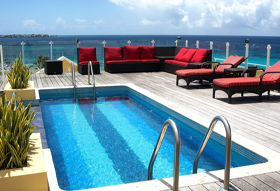
If you've ever been to a swimming pool or outdoor lido, chances are you've encountered a foam product in some capacity. Foam is used here in several applications, notably to improve comfort and safety, and the versatility of polyethylene foam makes it an excellent choice for its many poolside uses.
Foam for safety: float jackets
First and foremost, nearly all of us have used foam for safety. For younger children there's been a boom in closed-cell polyethylene foam float jackets, which are buoyant yet lightweight. They're not just for children – adult versions are just as popular and effective, often used in open water for paddle boarding and kayaking, usually covered in soft, durable neoprene that doesn't affect buoyancy. Importantly, float jackets aren't the same as life jackets: life jackets keep you upright in water, whereas float jackets encourage children and adults to swim, which is why they're used in swimming lessons.
Poolside seating and loungers
Foam is also found in poolside seating such as loungers and seats. Usually made from cut to size closed-cell polyethylene foam, it keeps seats hygienic, as it resists pool cleaning chemicals, mould, mildew and bacteria, and is well proofed against wear and tear. Plastazote superior closed-cell foam is also common for its water-resistant, non-absorbent properties. A nitrogen-expanded, cross-linked closed-cell foam, it shares the properties of standard closed-cell polyethylene and adds a few more. These poolside foams are often covered with a wipe-clean vinyl that resists pool chemicals such as chlorine.
Foam for pool hoists and accessibility
For those with disabilities, foam can greatly improve comfort and make water more accessible. Poolside hoists traditionally used hammock seating attached to a metal support, but many find these offer limited support and are uncomfortable for those with limited mobility entering the water. Rigid flat seats are now a popular option, with base elements padded in polyethylene foam – the same Plastazote superior closed-cell foam used in poolside loungers and chairs.
Pool floats
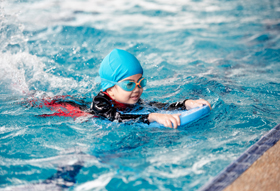
Pool floats are another common poolside item. From noodle floats and water weights to float boards, the versatility of polyethylene foam shows in its many float uses. The natural buoyancy of closed-cell polyethylene makes it perfect for underwater resistance exercises with water weights, and equally for swimming floats.
At eFoam we're experts in polyethylene foams cut to size for a range of uses, and we can make fully customised items to your requirements. If you also manage the water itself, see our guide to pool filter foams. Should you need any help, please contact us.
Frequently asked questions
What foam is used in pool float jackets?
Float jackets use closed-cell polyethylene foam, which is buoyant yet lightweight and usually covered in soft, durable neoprene. Note that float jackets differ from life jackets – they encourage swimming rather than keeping a person upright, which is why they are used in swimming lessons.
What foam is used for poolside loungers and seats?
Poolside seating is usually made from cut-to-size closed-cell polyethylene foam or Plastazote, which resist pool cleaning chemicals, mould, mildew and bacteria. They are often finished with a wipe-clean vinyl cover that resists chlorine.
Are pool floats made of foam?
Yes. Noodle floats, water weights and float boards all rely on the natural buoyancy of closed-cell polyethylene foam, which makes it ideal for both swimming floats and underwater resistance exercises.