





Pet Fur and Hair Removal with Foam
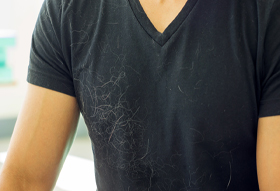
Foam has an incredible number of intended uses, with advanced innovations constantly finding new ones – but sometimes the simplest ideas are the most useful. For many pet owners, pet hair is a pain when it sticks to sofas, armchairs and other upholstered items, and lint and hair are a frequent nuisance on clothing too.
Why foam beats a lint roller
Lint rollers are the usual recommendation for removing pet hair, lint and debris from fabrics, yet they're often single-use and not wholly effective, relying on adhesive to collect debris. As a single-use product they're not environmentally friendly, and for owners dealing with dog and cat hair daily they're not cost-effective either. A simple alternative is foam, a brilliant material thanks to its small open-cell pockets that naturally attract hair, fur and debris. This open-cell structure draws and traps small materials without causing static – another issue with lint and pet-hair tools that often fail to do the job.

Which foam to use
The foam we recommend is reticulated polyether foam, more commonly known as aquatic filter foam, which serves the same purpose in ponds – filtering out small particle debris. It's efficient and cost-effective: unlike mass-market lint products, it does the same job without the unnecessary branding and cost, and it's reusable rather than single-use. Using a fine-tooth comb with minimal pressure under running water releases the debris, and the open-cell structure lets it air-dry quickly to be reused. Our guide to the different types of filter foam explains reticulated foam in more detail.
Making your own fur-removal tool
Our cut to size capabilities make creating your own lint and fur tool easy:
- Choose your shape – a triangular handheld tool for furniture, whose thinner edge reaches crevices and corners, or a small rectangular block (around 10cm by 10cm) of reticulated polyether foam for clothing and fabrics.
- To add a handle, source a short handle (likely plastic), cut a small slit about halfway into the side of the foam, apply a little foam-friendly adhesive to the end, and insert it.
- Run the foam over the fabric to lift hair and lint, then clean with a fine-tooth comb under running water and air-dry.
For more pet-related ideas, see our guide to making your own pet bed. To discuss your requirements, please contact us.
Frequently asked questions
Can foam remove pet hair?
Yes. Foam's small open-cell pockets naturally attract and trap hair, fur and debris without causing static. The foam we recommend is reticulated polyether foam, more commonly known as aquatic filter foam, which serves a similar filtering purpose in ponds.
Is foam better than a lint roller?
Foam is reusable, whereas lint rollers are often single-use and rely on adhesive. Foam works without static, is cost-effective over time, and is far more environmentally friendly than disposable rollers.
How do you clean a foam fur-removal tool?
Run a fine-tooth comb over the foam with minimal pressure under running water to release the trapped debris. Thanks to its open-cell structure, it air-dries quickly and is ready to reuse.