





Gaming Terrain and Scenery Foam
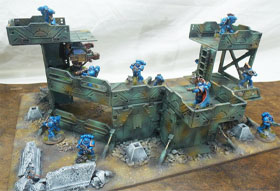
For tabletop model gamers, playing in the right space is a huge part of the experience. Many play on a dedicated table or area, or even the dining room table, but building your own custom terrain and model sets personalises the game and enhances it.
Foam for gaming terrain
Games like Warhammer 40k are typically played with wargaming terrain, but pre-made sets and models aren't a cheap investment. This is where foam helps, giving players on all budgets a low-cost, high-quality solution that can be customised to specification. Model gamers use foam and precision cutting tools – at home or cut to size from a factory – to make landscapes and components including model weapons, foam armatures, trees, bushes and buildings. It's not just gamers, either: model railway enthusiasts use foam the same way to build custom layouts. To create landscapes, high-density polyethylene foam can be ordered as a foam sheet to carve, or as multiple flat sheets layered with all-purpose adhesive. You'll generally need foam sheets (or components cut to size), adhesive, sand or dirt, a craft knife and water-based paint for the finer details.
Making rocky, hilly terrain
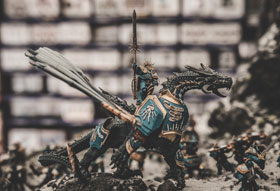
To create rocky, hilly terrain, follow these steps:
- Layer five or six different sizes of polyethylene foam sheet on top of one another and glue them together with adhesive.
- Once dry, use a sharp craft knife to cut jagged edges and narrow crests, keeping bigger base pieces and smaller pieces on top for a realistic landscape (no upside-down hills).
- Cover the piece in PVA or all-purpose adhesive and apply sand or dirt, getting into all the cracks and crevices for a natural effect.
- Once dry, spray paint the whole piece – perhaps a mix of black, brown and green for a rocky grass landscape – and repeat until you achieve the look you want.
Buildings, props and duplicates
Foam can also create model homes, figurines and other props. It can be cut to any shape or size with our online tool if you'd rather not carve by hand, and using very-high density flat sheets, houses and outdoor huts can be made by tracing, cutting and gluing components together, then weathered with spray and water-based paints. To make several duplicate props at once, layer thin foam sheets, outline your shape with a pencil (the smaller the shape, the harder it is to carve) and use a long-bodied craft knife to cut multiple duplicates in one go – usually around three at a time, though smaller, more complex shapes are best cut individually. For more scenery ideas, see our guides to dollhouse foam and painting foam.
Please contact us for personal guidance on using foam to create fantastic gaming or model village sets.
Frequently asked questions
What foam is used for gaming terrain?
High-density polyethylene foam, ordered as a sheet to carve or as multiple flat sheets layered with all-purpose adhesive for complex shapes. It's a low-cost, customisable solution for wargaming terrain (such as Warhammer 40k) and model railway layouts.
How do you make rocky terrain from foam?
Layer five or six polyethylene foam sheets and glue them, keeping bigger pieces at the base, then carve jagged crests with a craft knife. Cover in PVA and sand for texture, then spray paint – for example black, brown and green for a rocky grass look.
Can foam be used for model buildings and props?
Yes. Very high-density flat sheets can be traced, cut and glued into houses and huts, then weathered with spray and water-based paints. Thin sheets can be layered and cut with a long-bodied craft knife to make several duplicate props at once.