





The Ultimate Marine Foam Replacement Guide for Yachts & Boats: Cushions, Decking & Mattresses
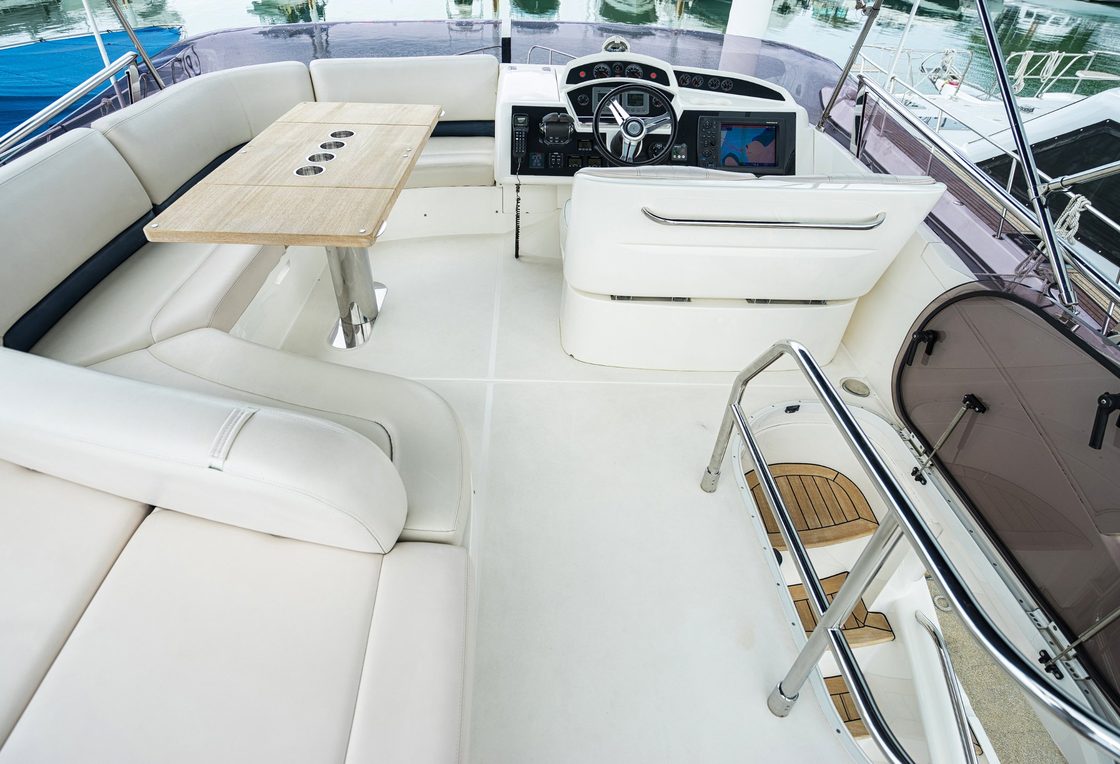
A beautiful boat with tired foam is an uncomfortable boat. Whether it's a Sunseeker flybridge, a Princess island berth, a Beneteau saloon or a well-loved Bayliner, the foam inside the cushions and mattresses is the part that wears out first, and the part that owners most often live with for years longer than they should.
The good news: marine foam replacement is one of the most cost-effective upgrades a boat can have. This guide explains why factory foam fails, which foam suits each job on board, and how to choose and measure replacements that restore the comfort the boat had on day one.
The Hidden Problem of Factory Foam
Marine environments are brutal on foam. Salt air, humidity, condensation against cold hull sides, temperature swings and months of winter storage all attack the cell structure. Original-equipment foam is also often specified for weight and cost rather than longevity, so even on premium yachts from builders such as Sunseeker, Princess, Fairline and Bavaria, berth mattresses and seat cushions can feel thin, damp-prone and unsupportive well before the upholstery itself wears out.
The symptoms are familiar: a V-berth that bottoms out, saloon cushions with a permanent dip, cockpit pads that stay wet for days, and that musty smell of foam that has absorbed moisture. None of this needs new furniture or new covers. In most cases the covers are unzipped, the old foam comes out, and new foam – cut to the original shapes – goes back in.
Replacement is also the moment to upgrade: a denser grade for seating, a memory foam layer for berths, or quick-dry foam outside where the factory fitted ordinary upholstery foam that was never right for the job.
Marine Foam Applications
Different places on a boat need very different foam. The four main applications:
1) Custom Marine Mattresses: Foam Replacements & Upgrades
Yacht berths are rarely a standard size or shape – island beds taper, V-berths come to a point, and corners are cut to fit the hull. That's why replacement means foam cut to measure, not a shop-bought mattress. Owners of Princess and Sunseeker motor yachts typically refresh master-cabin island beds with a high-resilience support foam topped with a memory foam comfort layer, while Bavaria and other sailing yacht owners often upgrade thin factory berth cushions to a deeper, denser construction that resists compression on longer passages.
A breathable construction matters afloat: moisture must be able to escape, and ventilating the underside of any berth helps prevent condensation. eFoam cuts foam mattresses to measure, including shaped corners, curves and split sections for lifting access.
2) Marine Upholstery, Cushions & Seating (Indoor & Outdoor)
Saloon and cabin seating uses the same logic as quality home upholstery: a firm, high-resilience seat grade that keeps its shape, with softer backs. Owners of Beneteau and Jeanneau sailing yachts renewing saloon and dinette cushions usually move up a firmness grade from the factory foam and are surprised by the difference it makes.
Outside is a different world. Cockpit, helm, flybridge and bow-rider cushions – whether on a Quicksilver, Bayliner, Fairline or Sealine – get rained on, sat on in wet gear and left out overnight. Here the right material is reticulated quick-dry foam: its open structure lets water drain straight through and air flow as it dries, so cushions are usable again in hours rather than days. For the full process of renewing covers and foam together, see our guide to reupholstering boat seats.
3) Marine Insulation
Closed-cell foam is the marine insulation workhorse. Because its sealed cells don't absorb water, it can line cabin sides, lockers and hull surfaces to reduce heat loss and condensation – a common refit on cruising yachts and motor cruisers alike, from Bavaria and Sealine cabins to Quicksilver and Bayliner cuddy spaces. It's also used under berths and behind linings as a thermal break between warm interior air and cold hull.
Sheets cut to size make neat work of lining jobs, with self-adhesive backing available for easier fitting. See eFoam's closed-cell polyethylene foam for sheet options and thicknesses.
4) Marine Foam Decking & Flooring
Foam decking has become a popular alternative to teak and bare GRP: softer underfoot, cooler in the sun and kinder to knees. Closed-cell sheet can also be cut for locker tops, swim-platform pads and non-slip standing areas on sports boats such as Quicksilvers and larger cruisers from Fairline and Sealine alike. For flooring and decking, always choose a closed-cell grade – it won't absorb water – and fix it with a marine-suitable adhesive.
Buyer's Guide: How to Choose the Right Marine Foam by Application
| Application | Recommended Foam Type | Key Benefits |
|---|---|---|
| Cabin mattresses & berths (e.g. Princess, Sunseeker, Bavaria) | High-resilience support foam, optional memory foam top layer | Home-bed comfort, cut to the berth's exact shape, resists compression |
| Saloon & dinette seating (e.g. Beneteau, Jeanneau) | Firm high-resilience upholstery foam | Keeps its shape in daily use, firmer than tired factory foam |
| Cockpit & deck cushions (e.g. Quicksilver, Bayliner) | Reticulated quick-dry foam | Water drains through, dries fast, no waterlogging or mustiness |
| Cabin & locker insulation (e.g. Fairline, Sealine) | Closed-cell polyethylene sheet | Doesn't absorb water, reduces condensation and heat loss |
| Decking, flooring & platform pads | Closed-cell foam sheet | Non-absorbent, comfortable underfoot, cut to fit |
Measuring and Ordering Replacement Marine Foam
Remove the old foam from one cover and measure width, length and depth – and if the cushion is shaped, make a paper template of the base, marking the square edges. Measure the foam's original thickness rather than its flattened state, and label each piece (port/starboard, forward/aft) as you work round the boat. Our guide to making a template for custom foam walks through it step by step.
With measurements or templates, eFoam's cut-to-size service can supply every piece ready to slide back into the existing covers – one cushion at a time or a whole boat's worth. If you're unsure which grade suits each location, contact the team with the boat type and where each cushion lives, and they'll recommend the right combination. For more on boating applications, see foam for boats.
eFoam is an independent UK foam manufacturer. Boat and yacht brands are mentioned for identification only; we are not affiliated with or endorsed by any boat builder.
Frequently asked questions
What foam is best for boat cushions?
For cockpit and deck cushions that get wet, reticulated quick-dry foam is the best choice: water drains straight through it and air circulates as it dries, so cushions don't stay soggy. For saloon and cabin seating that stays dry, high-resilience upholstery foam gives the comfort and support of home furniture. Many owners combine the two across the boat.
Can I replace the foam in a yacht mattress without replacing the whole mattress?
Yes. Berth cushions and island beds are usually a foam core inside a zipped cover, so the foam can be replaced on its own. Because yacht berths are rarely rectangular – cut corners, curves and tapers are the norm – the replacement is cut to a template or measurements rather than bought off the shelf.
How do I measure an awkwardly shaped boat cushion?
Make a paper or cardboard template of the base, mark which edges are square and which are shaped, and note the thickness of the old foam when new (a flattened cushion understates it). Label port and starboard pieces as you go. With a template, foam can be cut to match curved bulkheads and angled hull sides accurately.
Does boat foam need to be fire retardant?
Interior upholstery foam should meet UK furniture fire safety standards as a minimum, and commercial or coded vessels may have stricter requirements. Always tell your supplier the foam is for a boat interior so a suitable fire-rated grade is used.