





Foam News: Eco Foam
At eFoam, we're keen to stay up to date with the latest foam innovations, which are more often than not guided by sustainability and environmental goals. We're proud to say all our foams are non-toxic and produced without harmful chemicals, and all our foam offcuts are repurposed.
Foam from flax, fat and algae
One fantastic innovation comes from researchers at the US National Renewable Energy Laboratory (NREL), who announced a new polyurethane foam made from a combination of flax, fat and algae. Unlike in the UK, where foam production is safe, sustainable and responsible, toxic foams are still a concern in some parts of the world, which is where this innovation can really make a difference. Polyurethane foam is used in a huge number of everyday items, including clothing, shoes, furniture and beauty products, so there are few areas of life it doesn't touch. According to Phil Pienkos, a recently retired chemist from NREL, the industry is keen to rethink how polyurethane foam is produced on a global scale.
How it works
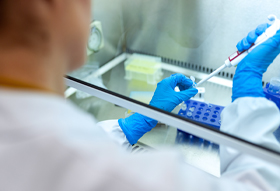
Through a specialist process using non-toxic resources such as waste grease, algae and linseed oil, a renewable polyurethane foam was produced. Whereas traditional polyurethane is made via a chemical process using polyols and isocyanates, scientists are interested in new ways to synthesise foam from bio-based resources, and NREL studied polyurethane chemistry to tackle this. The idea was sparked by an unrelated lab problem about lowering the cost of algae biofuels: in "bio-refining", waste products including lipids and amino acids became ingredients for the renewable, non-toxic foam. NREL's Tao Dong, an expert in chemical engineering, explained that making polyurethane from non-traditional materials was nothing new – the key challenge they solved was speeding up the chemical reaction to compete with conventional foam.
A tuneable, commercial future
NREL has shown that non-toxic, environmentally friendly foam can become the norm for the global sector. By replacing petroleum-based polyols with select natural components, a viable, renewable polyurethane foam can be made just as fast, and the team has since partnered with companies contributing resources, investment and research to push for commercialisation. A key highlight is how customisable the foam is: the "tuneable" chemistry lets the polymers be tweaked to make other foam types like memory foam, as well as coatings and adhesives. For more, see our guides to the algae foam experiment and the latest innovations in polyurethane foam.
We're thrilled to see such exciting developments and praise their environmental benefits. Read our guide to eco-friendly packaging foam to learn more about our environmental practices.
Frequently asked questions
What is this eco foam made from?
Researchers at the US National Renewable Energy Laboratory (NREL) created a polyurethane foam from a combination of flax, fat and algae, using non-toxic resources such as waste grease, algae and linseed oil instead of petroleum-based polyols.
How is bio-based polyurethane foam made?
Whereas traditional polyurethane uses polyols and isocyanates, the NREL process uses bio-based resources. Waste products from algae biofuel "bio-refining", including lipids and amino acids, became ingredients for the renewable, non-toxic foam.
Is the eco foam customisable?
Yes. The chemistry is described as "tuneable", so the polymers can be tweaked to make other foam types such as memory foam, as well as coatings and adhesives.