




Retail Packaging: The Ultimate Guide
Retail packaging has to perform several jobs at once. It protects the product, displays information, attracts attention and creates the first physical impression of a brand.
A beautiful box that allows the contents to move or arrive damaged has failed. Equally, excessive protective material can frustrate customers and increase cost. Good packaging balances presentation with the real hazards of storage, transport and handling.
What is retail packaging?
Retail packaging is the packaging a customer sees at the point of sale or when opening an online order. It may include the product container, printed carton, insert, sleeve, labels and tamper-evident features.
Transport packaging is the outer system used to move one or more retail packs through warehouses and courier networks. The two should be designed together – see our guide to transport packaging foam.
Primary, secondary and tertiary packaging
Primary packaging directly contains or contacts the product, such as a bottle, pouch or tray. Secondary packaging groups or presents the primary item, such as a printed box with a foam insert.
Tertiary packaging includes shipping cartons, pallets and protective materials used for distribution. A product can therefore pass through several layers before it reaches the customer.
What does a foam insert do?
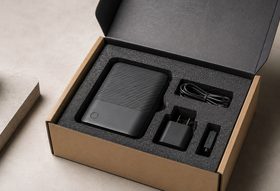
A custom foam insert holds the product in position, cushions impact and separates accessories. It can also present items in a deliberate order, making the unboxing experience feel organised.
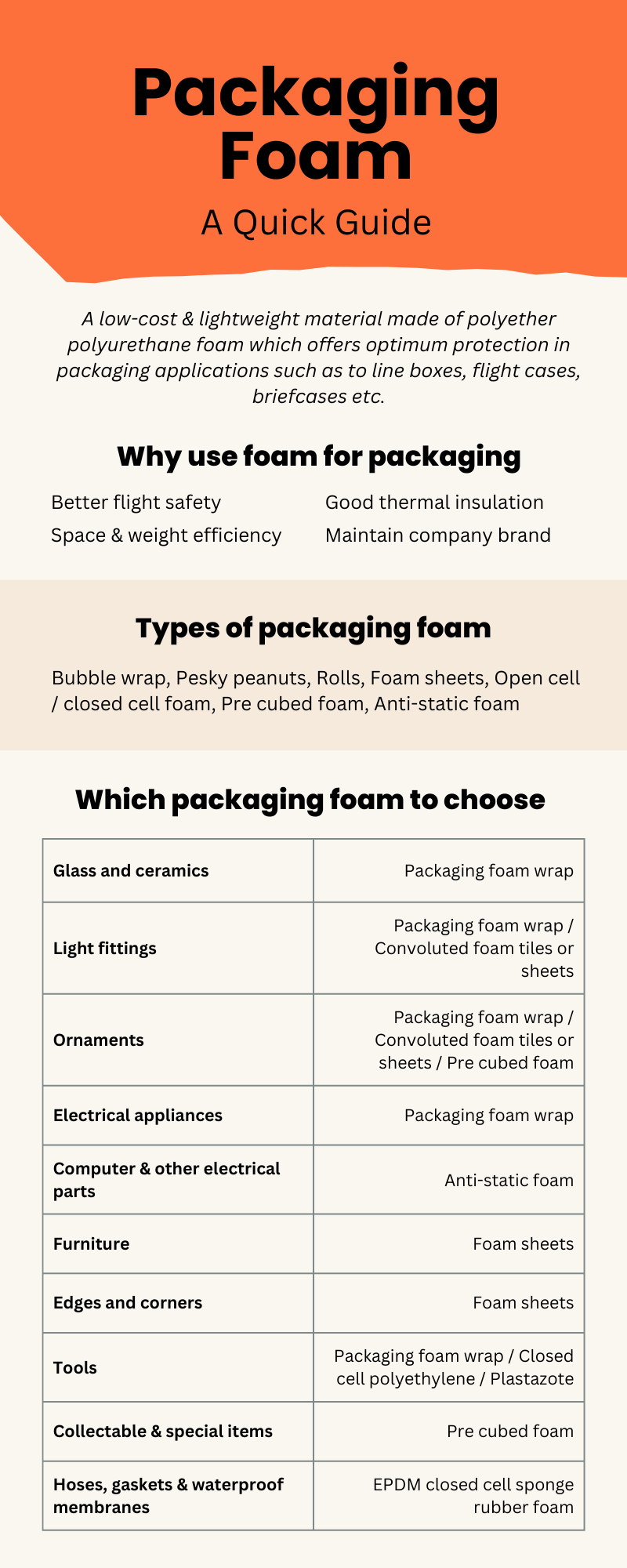
Closed-cell foam produces crisp cut-outs and suits tools, electronics, bottles and premium products. Softer polyurethane protects delicate surfaces and can accommodate minor variation.
Explore eFoam's packaging foam range for flat, convoluted, anti-static and cut-to-size options.
Match packaging to the product
Begin with weight, fragility, shape and surface finish. A heavy metal item needs strong support and enough foam beneath it. A polished or painted surface may require soft contact material or a protective bag to prevent rubbing.
Allow space around controls, corners and projecting parts. The tightest-looking insert isn't always the safest if it concentrates pressure on a vulnerable point.
Packaging for electronics
Electronic components may need anti-static or conductive materials rather than ordinary foam. Pink anti-static foam helps reduce charge generation for appropriate short-term packaging, while more controlled ESD systems may be required for sensitive devices.
The foam must form part of a complete handling and packaging plan. Colour alone doesn't prove a specific electrical performance.
Presentation and branding
Layered foam allows a contrasting colour to appear beneath each cut-out. Printed cards, fabric facings and clean finger notches improve usability without compromising protection.
Use branding consistently but keep essential information legible. Recycling instructions, safety warnings and product identifiers shouldn't be lost beneath decorative graphics.
Reduce unnecessary material
Efficient packaging uses enough material to pass the required handling and transport tests without adding empty layers. Accurate cutting reduces offcuts, and a reusable case or durable insert may be more appropriate for service tools and demonstration products. Our guide to eco-friendly packaging foam explores this further.
Avoid claiming packaging is recyclable or biodegradable without evidence for the complete material and the facilities actually available to customers.
Test the design
A prototype should be packed with the real product and subjected to expected handling. Check drops, vibration, compression and temperature where relevant.
After testing, inspect both obvious damage and small cosmetic marks. A product can remain functional but still be unacceptable for retail sale because its finish has rubbed against the insert.
Online retail considerations
Courier networks expose parcels to repeated transfers and mixed orientations. A presentation box may need an outer shipping carton and additional clearance so impacts don't pass directly into the product.
Design returns from the beginning. Customers should be able to repack the item securely without needing specialist knowledge.
Compliance and information
Packaging may need to carry legal markings, instructions, batch data or hazard information. Products for food, medical, children's or electrical markets have specific requirements that extend beyond cushioning.
Confirm material compatibility where foam could contact sensitive coatings, plastics or consumables.
Ordering custom retail packaging foam
Provide the product dimensions, weight, fragility, case or carton size and expected order quantity. A sample or accurate drawing helps create a close fit.
eFoam can supply packaging foam sheets and inserts for prototypes and repeat production. The most effective design protects the product first, then uses presentation to make that protection part of the brand experience.
Frequently asked questions
What is the difference between primary, secondary and transit packaging?
Primary packaging directly contains or contacts the product (a bottle, pouch or tray). Secondary packaging groups or presents it, such as a printed box with a foam insert. Tertiary or transit packaging includes shipping cartons, pallets and protective materials for distribution. A product can pass through several layers before reaching the customer, and they should be designed together.
Why use a foam insert in retail packaging?
A custom foam insert holds the product in position, cushions impact and separates accessories, and can present items in a deliberate order for a tidy unboxing experience. Closed-cell foam gives crisp cut-outs for tools, electronics and premium products, while softer polyurethane protects delicate surfaces.
What foam should I use to package electronics?
Electronics may need anti-static or conductive materials rather than ordinary foam. Pink anti-static foam reduces charge generation for appropriate short-term packaging, while more controlled ESD systems may be required for sensitive devices. Colour alone doesn't prove a specific electrical performance, so the foam must form part of a complete handling plan.
How do I order custom retail packaging foam?
Provide the product dimensions, weight, fragility, case or carton size and expected order quantity; a sample or accurate drawing helps create a close fit. eFoam can supply packaging foam sheets and inserts for prototypes and repeat production.