





The Many Everyday Uses of Foam

From birth into the afterlife, foam plays a big part in people's lives. Its uses are many, and whether you notice or not, it's a versatile material you probably use more often than you think. Here's a timeline tracing foam through your life.

Foam for the early years
Foam is widely used in cot and toddler-bed mattresses. Soft and chemical-free, cot-safe foam mattresses provide comfort for babies and toddlers, and if you're a parent, any cot or toddler-bed mattress you've bought likely has a foam filling – see our guide to nursery-grade cot foam. The same is true of baby changing mats, typically filled with a thin layer of foam for comfort anywhere you use them, whether on a hard floor or a changing table.
Foam for play and fun
Children's soft play areas use foam for play mats, footballs, foam pits and more, providing hours of fun while keeping kids safe from injury. Closed-cell polyethylene foam is great for indoor soft play: non-absorbent, waterproof and rigid, it keeps its shape despite constant use, and its waterproof qualities make it easy to clean. Our guide to playpen and soft-play foam has more.
Foam for school
Foam often fills the crash mats used for PE at school, keeping pupils safe during gym lessons. This foam is highly durable and holds its shape, even with regular use or in storage. Some swimming pool apparatus is made from foam too: floats and noodles used in school swimming lessons are made from a lightweight waterproof foam.
Foam for travel
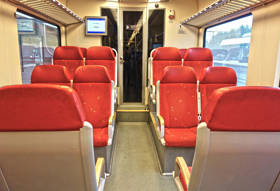
Whether you commute by car, bus, bike or train, the seat you sit on is likely made from foam. As a cost-effective material, foam fills a huge number of mass-produced seats, giving manufacturers a low-price, durable solution that keeps costs down.
Foam for work
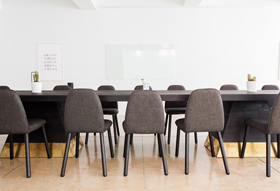
Plenty of office furniture is filled with foam, whether it's reception seating, boardroom chairs or the chair at your desk, all ensuring comfort at work – see our guide to foam for offices. In more informal workplaces with beanbags, window seats and big cushions, those are likely filled with foam too.
Foam at home
Sofa and armchair cushions, mattresses, headboards, pet beds, garden furniture and more can be filled with foam. Memory foam is widely used in mattresses for supreme comfort and support, while high-density foam gives sofa cushions and pet beds a firm but comfortable finish that's durable and holds its shape, ideal for family life.

Foam for the afterlife
Foam is widely used as a coffin liner, seeing you off in comfort. High-density foam is the perfect padding on which to be laid to rest.
Foam is the versatile, cost-effective material made for the demands of life and the afterlife. eFoam is the UK's number one online foam supplier and we make ordering easy – contact us today by emailing info@efoam.co.uk or call us free on 0800 043 9990.
Frequently asked questions
What are the everyday uses of foam?
Foam appears throughout daily life: cot and toddler mattresses, baby changing mats, soft play, school crash mats and swimming floats, car, bus and train seats, office furniture, sofas, mattresses, headboards, pet beds, garden furniture, and even coffin liners.
What foam is used in soft play?
Closed-cell polyethylene foam is great for indoor soft play. It's non-absorbent, waterproof and rigid, keeping its shape despite constant use, and its waterproof qualities make it easy to clean.
What foam is used in furniture?
Memory foam is widely used in mattresses for comfort and support, while high-density foam is used for sofa cushions and pet beds, giving a firm but comfortable finish that's durable and holds its shape.