





The Right Way to Soundproof Your Home Theatre with Foam
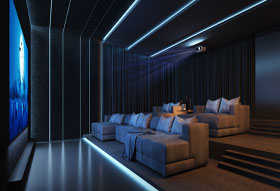
Creating the perfect home theatre involves more than high-quality audiovisual equipment. To truly immerse yourself in cinema or gaming, you need to consider the acoustics of your space – and that's where soundproofing comes in. Here's the right way to soundproof your home theatre using foam, a cost-effective and efficient solution that can elevate your entertainment to the next level. For the fundamentals first, see our guide to how acoustic foam works and how to install it.
Why soundproofing is essential
- Reduce external noise: soundproofing prevents outside noise from seeping into your home theatre, so you can enjoy films or games without interruption.
- Minimise sound leakage: it also stops sound from your home theatre disturbing the rest of your home, keeping a peaceful environment for everyone.
- Enhance audio quality: proper soundproofing improves the clarity and crispness of your audio, making your entertainment more immersive.
The benefits of using foam for soundproofing
- Excellent sound absorption: acoustic foam is designed to absorb sound waves, preventing them from bouncing off walls and creating echoes or reverberation.
- Easy installation: acoustic foam panels are lightweight and easy to fit – you can simply adhere them to walls or ceilings.
- Aesthetically pleasing: acoustic foam comes in various colours and designs, so you can choose options that complement your home theatre's decor.
- Cost-effective: compared with other soundproofing materials, foam is budget-friendly, making it a great choice for DIY projects.
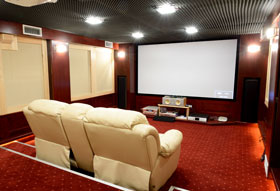
The right way to soundproof a media room with foam
- Identify problem areas: begin by finding where sound leakage or echo is most noticeable, such as walls, ceilings or floors.
- Choose the right foam: select high-quality acoustic foam panels designed for sound absorption, with a high Noise Reduction Coefficient (NRC) rating for the best results.
- Measure and plan: measure the areas you want to treat and calculate how many panels you'll need, then create a layout plan for even coverage.
- Installation: clean the surfaces, then use a strong adhesive or double-sided tape to attach the panels securely, with no gaps between them.
- Address other soundproofing needs: foam is highly effective but may not eliminate every issue, so consider heavy curtains or rugs to further reduce noise.
Soundproofing your home theatre with foam is a practical, cost-effective way to enhance your entertainment. Follow these steps and you can create a space to fully immerse yourself in films, games and music without unwanted noise. So why wait? Start today and elevate your audiovisual experience to new heights.
Frequently asked questions
Does acoustic foam fully soundproof a home theatre?
Acoustic foam absorbs sound waves to reduce echo and reverberation and is highly effective, but it may not eliminate every sound issue on its own. Combining it with heavy curtains or rugs helps further reduce noise.
What NRC rating should I look for?
Look for acoustic foam panels with a high Noise Reduction Coefficient (NRC) rating, as these are designed for sound absorption and give the best results in a home theatre or media room.
How are acoustic foam panels installed?
Clean the surface first, then attach the panels with a strong adhesive or double-sided tape, making sure there are no gaps between panels so coverage is even.