





Martial Arts Foam Mats: A Practical Guide
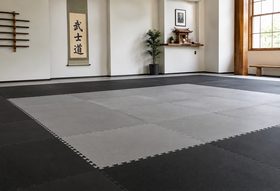
Martial arts mats provide grip, cushioning and a consistent training surface. The correct construction depends on the activity. A floor for striking practice has different impact requirements from a judo area, gymnastics landing zone or high-level crash mat.
Safety-critical mats should be purpose-made, tested and installed for the discipline. Loose foam sheets aren't a substitute for a certified training system.
What are martial arts mats made from?
Interlocking training tiles are commonly made from closed-cell EVA or polyethylene foam. These materials are resilient, wipe-clean and don't readily absorb sweat or cleaning water.
Roll-out mats may combine a cross-linked foam base with a durable vinyl or carpet surface. Traditional judo-style mats often use a high-density foam core beneath a textured cover.
Thick crash mats use layered polyurethane foams designed to slow and spread impact. The cover, vents, seams and total depth are just as important as the core material.
Different activities need different mats
Karate, taekwondo and kickboxing
Striking disciplines need a firm, stable surface that supports quick footwork. A mat that's too soft can make pivots unstable and increase fatigue.
Judo, aikido and grappling
Throwing and groundwork require more impact attenuation and a surface that provides grip without causing excessive skin burn. Mat joints must remain tight so fingers and toes can't enter gaps.
MMA training
Mixed martial arts areas need a balance of stability for striking and cushioning for takedowns. The complete floor system should be designed around the heaviest expected use.
Crash and landing mats
These are specialist safety products. They must deform in a controlled way without allowing the user to strike the floor. Don't make a crash mat from random foam offcuts or ordinary upholstery foam.
Density, firmness and thickness
A thicker mat isn't automatically safer. Foam that's too soft may bottom out, while very hard foam may transmit excessive impact.
Manufacturers tune density, firmness and layer structure together. Compare test information and intended discipline rather than relying on one number.
Closed-cell versus open-cell foam
Closed-cell EVA and polyethylene resist moisture and provide a stable surface for tiles and roll-out systems. They're easy to wipe but can become slippery if cleaning residue remains.
Open-cell polyurethane provides deeper compression and is used inside some landing mats. It must be protected by a strong cover and kept dry.
Reconstituted foam is very dense and may be used beneath equipment or in firm support layers, but it isn't a comfortable fall surface by itself.
Installation
The subfloor should be level, clean and dry. Interlocking tiles need perimeter restraint so the floor can't spread under lateral movement. Stagger joints where the system instructions recommend it and trim edges neatly without leaving small loose pieces.
Allow expansion space if specified. Around walls and columns, use padded protection designed for the impact risk rather than relying on thin decorative foam.
Cleaning and hygiene
Clean mats using products approved by the manufacturer. Remove sweat and body oils without leaving a slippery film. Avoid soaking joints or using strong solvents that can attack the surface.
Inspect daily for lifted corners, open seams, tears and compressed areas. Damaged mats should be repaired or replaced promptly.
Fire and building requirements
Gyms, schools and public venues may require specific fire documentation, slip resistance and accessibility. Emergency exits and floor markings must remain clear.
Obtain records for the complete mat, not just a generic statement about the foam. Adhesives and wall padding may have separate requirements.
Using foam for accessories
Custom foam is useful for kneeling blocks, equipment pads, wall inserts and non-safety-critical training aids. eFoam's dense reconstituted yoga block mats suit controlled support applications, while closed-cell foam can be cut for specialist pads. See also our guides to foam for gymnastics and foam pit foam.
For any surface intended to protect users during falls, choose a tested martial arts or sports mat system from a specialist manufacturer and follow its installation guidance.
Frequently asked questions
What foam are martial arts mats made of?
Interlocking training tiles are commonly made from closed-cell EVA or polyethylene foam, which are resilient, wipe-clean and don't readily absorb sweat or cleaning water. Roll-out mats may combine a cross-linked foam base with a vinyl or carpet surface, while thick crash mats use layered polyurethane foams designed to slow and spread impact.
How thick should a martial arts mat be?
A thicker mat isn't automatically safer. Foam that's too soft may bottom out, while very hard foam can transmit excessive impact. Manufacturers tune density, firmness and layer structure together for the discipline, so compare test information and intended use rather than relying on thickness alone.
Can I make a crash mat from ordinary foam?
No. Crash and landing mats are specialist safety products that must deform in a controlled way without letting the user strike the floor. Don't make a crash mat from random foam offcuts or ordinary upholstery foam – choose a tested martial arts or sports mat system and follow its installation guidance.
How do you clean and maintain martial arts mats?
Clean using products approved by the manufacturer, removing sweat and body oils without leaving a slippery film, and avoid soaking joints or using strong solvents. Inspect daily for lifted corners, open seams, tears and compressed areas, and repair or replace damaged mats promptly.