





How to Reuse or Renew Your Old Sofa
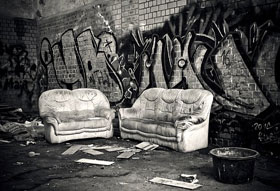
An old sofa is full of reusable materials – foam, wadding and fabric – and a tired one can often be renewed rather than replaced. This guide explains practical ways to revive an old sofa by replacing worn foam, and how to repurpose its materials for new projects – a sustainable, cost-effective alternative to buying new. Even when a sofa is showing its age, renewing the inner components can restore its comfort and greatly extend its life.
At eFoam, we are continuously working to find new ways to ensure that foam offcuts and old foam products don't end up in landfill. All our excess foam is repurposed and resold – our foam offcuts can be bought through our website and used in all sorts of projects. As an environmentally conscious foam producer, we also like to offer customers creative ideas for breaking apart old furniture and re-using the foam and other materials in new applications.
How to reuse your old sofa
If you are thinking of replacing your sofa, you may be unsure how to sensibly pass it on. It isn't always easy to sell a second-hand sofa or donate it to a charity shop. However, a sofa contains several foam components that can be stripped out and used elsewhere, along with a good amount of upholstery fabric. Instead of discarding it, the many materials it holds can be put to great use.
To begin, strip all the upholstery fabric from your sofa as best you can. Some parts may be chemically bonded or held with strong glue, so they can be harder to remove. Take care to leave yourself with multiple large pieces – that increases your chances of finding a use for them. Some cushions have multiple foam bases topped with feather or synthetic wadding, both of which can be separated and reused.
Working out what to do with each component is easy. For example, the polyurethane foam used in sofas can also upholster many types of dining chairs. As these only need a thin, high-density piece of foam for adequate comfort, you can store your cut-up foam somewhere safe and use it to upholster dining chairs over time.
Your sofa foam can be cut to the thickness and shape you want, wrapped in the appropriate stockinette, and inserted into existing seat-pad covers. Alternatively, upholster entirely new seat cushions using a fabric of your choice – or even the fabric that covered your old sofa.

Feathers and synthetic wadding can find a new lease of life in DIY cushions, quilts and more. With a large sofa and plenty of excess filling, you might make a set of scatter cushions for your new sofa. Old material can also become new cushions or part of a patchwork blanket. Sofas typically contain many materials worth saving, including leathers and cottons.
If the foam in your old sofa is too worn for seating or cushions, you can make comfortable pet beds from multiple layers of foam. Foam is highly resistant to wear and tear, making it a perfect comfort solution for our four-legged friends. You may wish to top your old sofa foam with new memory foam or a high-density foam sheet, which can be ordered through our cut to size online tool for added comfort and durability.
How to renew your old sofa
We live in a throwaway society, and many people will get rid of a sofa that looks a bit tired and has lost its shape, then simply buy a new one.
Over the last several years, though, there has been a growing trend towards up-cycling: the creative repurposing and renewing of used objects and furniture.
A word on upcycling wooden pallets
A great example of upcycling is the creative reuse of wooden pallets. Pallets can be transformed into coffee tables, chairs and other furniture, garden planters for outdoor spaces, and unique decorative pieces – usually topped with foam cushions cut to size for comfortable seating, as covered in our guide to foam for pallet furniture. Beyond the creative satisfaction, upcycling keeps materials out of landfill and reduces environmental impact. And if you have leftover pallets, offering them on community sites such as Freecycle will usually attract plenty of interest from others eager to build their own.
Compared with pallet projects, renewing an old sofa is an easy job, and it can be done in just a few steps.
Step 1: Clean the upholstery or leather
Thoroughly clean the upholstery and/or leather with the appropriate cleaning products. If your sofa is cloth-covered, the cushion covers can usually be removed and machine washed (check the labels for washing and drying instructions). Fixed cloth can usually be lightly sponge cleaned and left to air dry. Leather is trickier: clean it with a soft cloth and mild soap (diluted dish soap or baby shampoo can work), dry it with a soft towel, then ideally treat it with a leather cream or oil. A quick search for "clean and feed leather" will bring up plenty of products and suggestions. Avoid alcohol and harsh chemicals on leather, as they can cause it to crack. This step alone may be enough to give your sofa a new lease of life – but if it still looks and feels deflated and out of shape, move on to step 2.
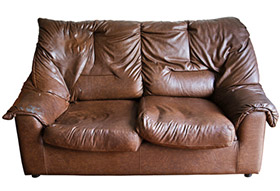
Step 2: Measure for new sofa cushions
Buying foam cut to size online is easier than ever, and some foam suppliers also offer a service to replace old cushions, such as our cushion refill service. If you order foam cut to size, remove your existing cushions and measure the covers (length, width and height, from seam to seam) to work out the size of your new cushions. It is best not to measure the old cushions themselves, as they may have deformed over time. For detailed guidance, see our "how to measure a sofa cushion" video.
Step 3: Double-check your measurements and order
As the saying goes, measure twice, cut once. Once you are confident in your measurements, order your new cushion foam. Adding a polyfibre (Dacron) wrap and a stockinette undercover will prolong the life of the new cushions and make them easier to fit.
Step 4: Fit your new cushions
Once you have your new cushions, you get the fun job of fitting them. Getting foam into the covers can be a little fiddly; if you have children, an extra pair of (small) hands can be a bonus, though it isn't necessary. If your cushions look a bit misshapen after fitting, don't worry – they should settle down and adjust to their correct shape after a day or two. See our "how to fit a foam cushion into the cover" video.
Step 5: Enjoy your renewed sofa
Your sofa should now look a lot fresher and newer, and all for a fraction of the cost of buying a new one.
For more on our sustainability goals, or for more craft ideas, take a look at our other blogs.
Frequently asked questions
Can you reuse the foam from an old sofa?
Yes. Sofa foam can be cut to size and reused to upholster dining chairs, make new seat cushions, or layered to make comfortable pet beds.
What can I do with an old sofa instead of throwing it away?
Strip the fabric, foam and wadding and reuse them: foam for dining chairs, seat cushions or pet beds; feathers and wadding for DIY cushions and quilts; and fabric for scatter cushions or a patchwork blanket.
How do I renew a saggy old sofa?
Clean the upholstery or leather, then measure and replace the cushion foam with new foam cut to size (or use a cushion refill service), and refit the covers.
How do I measure for new sofa cushions?
Remove the existing cushions and measure the covers (length, width and height, seam to seam) rather than the old cushions, which may have deformed over time.
Is renewing a sofa cheaper than buying a new one?
Yes. Cleaning and re-foaming a sofa you already own costs a fraction of buying a new one, and keeps the frame and covers you already like.
What can wooden pallets be upcycled into?
Wooden pallets can be transformed into coffee tables, chairs and other furniture, garden planters and decorative pieces, usually topped with foam cushions for seating. Upcycling pallets keeps materials out of landfill, and leftover pallets can be offered on community sites such as Freecycle.