




Packaging Foam Explained: Types, Uses & How to Choose
Packaging foam is a lightweight polyether polyurethane foam that cushions and protects products in transit – from glass and electronics to tools and collectables. This guide explains why foam works so well for packaging, the main types available, and how to choose the right one for what you are sending.
Damaged products in transit are expensive. There are many ways to keep packages protected, and packaging foam provides excellent protection. With more consumers buying online, it is more important than ever to use high-quality foam to protect products against knocks, drops and bumps.
Why use foam for packaging?
There are four main reasons to use foam for packaging applications:
Better flight safety
Flight safety regulations are stringent, and packaging foam helps you meet them. Damaged packaging can be risky in flight, and some fluid-based products may not be transported by air at all. Flight cases with foam protection can prevent spills. eFoam can provide packaging foam cut to size to match the dimensions of your products and flight cases.
Space and weight efficiency
When products travel by air in cardboard boxes, space and weight matter. Compared with alternatives such as wooden crates, packaging foam saves space and is much lighter, and it is easy to cut so it stays compact. Even when foam is bulky, the overall weight stays low, which means real cost savings.
Good thermal insulation
Some products are sensitive to temperature swings. Heat transfers by radiation, convection or conduction, and high or sub-zero temperatures can damage delicate electronics. Closed-cell foams are excellent at maintaining thermal insulation in packaging.
Maintaining your brand
Good packaging foam is good for your brand. When customers unbox a product, the care shown by proper foam protection leaves a strong impression and encourages repeat purchases.
What is packaging foam?
Packaging foam is a polyether polyurethane foam that offers optimum protection in packaging applications, such as lining boxes, flight cases and briefcases, with thinner types suitable for wrapping objects.
It's a low-cost and lightweight material, keeping shipping costs to a minimum, so businesses can impress customers without spending much. Reliable shipments encourage repeat purchases, because customers trust their products will arrive protected. Optionally, packaging foam can be customised with unique logos, colours and shapes to match your brand.
Types of packaging foam
Bubble wrap
Bubble wrap is what most people picture for packing fragile items, and the large air bubbles are a great way to protect things like cups and glasses when moving house. Foam, however, is more suitable for fragile items that benefit from being packed more securely and tightly, such as electronics, screens and cameras. Packaging foam also has the advantage of being thermally insulating and, depending on the type, anti-static.

Packing peanuts
Another typical packing material is the loose foam pieces known as peanuts, named for their shape. As most people know, they tend to spill everywhere and make a mess, and they are not ideal if you have curious pets or young children. Packaging foam offers a much tidier solution, and comes in a variety of useful formats.
Foam rolls
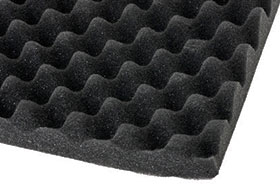
You can get rolls of thin closed-cell foam (closed-cell foam is foam where the cells are intact so the gas cannot escape) for a variety of packaging jobs. It wraps around objects and conforms well to all sorts of shapes, is water-resistant, can be reused several times and then recycled, and comes in thicknesses from 1mm to 4mm.
Foam sheets
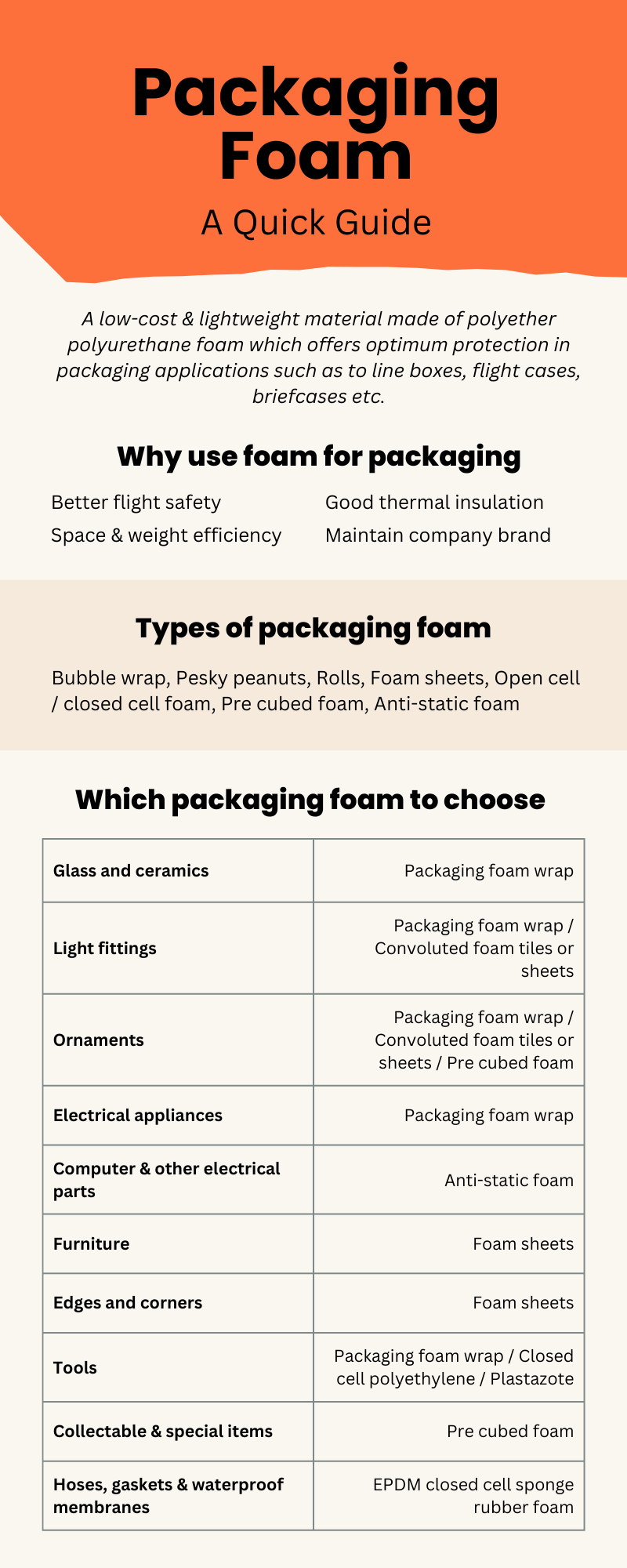
A wide range of foam types is available in sheets of various sizes. Foam can be flat or convoluted (the egg-crate style that looks like acoustic foam), and open-cell or closed-cell.
Open-cell vs closed-cell foam
With open-cell foam, the tiny cells are broken, so air flows freely in and out. This type feels softer and more flexible. With closed-cell foam, the cells are not broken, so the air trapped inside cannot escape; it feels more rigid, has a higher resistance (R) rating, and can be water- and vapour-resistant.
Pre-cubed foam
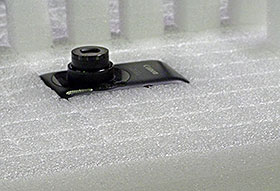
Pre-cubed foam is ideal for packing equipment securely into carry cases. The foam is pre-cut into a grid pattern, so you can remove plugs according to the size of the item you need to pack. That makes it easy to pack irregularly shaped and fragile items such as cameras and similar equipment. You can watch a short video on using pre-cubed foam in a case, and if you don't have pins to hand, chalk works well for marking out your shapes.
Anti-static foam
If you have static-sensitive objects to pack, such as circuit boards, computer chips and other components, anti-static foam protects against electrostatic discharge as well as offering the advantages of regular foam.
How to choose packaging foam
If you are moving house or office, or simply sending items, foam is a great addition to your packing supplies. Here is how and when to use each type.
Glass and ceramics
Packaging foam wrap is the obvious choice. It comes in rolls, is less bulky than bubble wrap, and cuts easily to shape with scissors, so you can wrap individual items quickly when moving house.
Light fittings
Light fittings can be fiddly; wrapping them in packaging foam wrap protects them during a move. Convoluted foam tiles or sheets work well too, as the convoluted shape helps cradle delicate fittings.
Ornaments
Larger ornaments can be wrapped in packaging foam wrap; smaller ones can be packed between sheets or tiles of convoluted foam. For very special and valuable items, take the time to pack them in pre-cubed foam.
Electrical appliances
Modern appliances are usually fairly sturdy (unless they have glass parts such as blender jugs), but you'll still want to protect them from scratches, bumps and breakage. Foam packaging wrap may be enough, but thicker foam sheeting is better for more delicate appliances.
Computer and electrical parts (e.g. circuit boards)
These are clear candidates for anti-static foam (which is pink, to distinguish it from other types) and/or ethafoam, as delicate components need protection from electrostatic charges. These foams come in various thicknesses and are also moisture- and chemical-resistant.
Furniture
Foam sheets come in various thicknesses, so they are helpful for protecting furniture from bumps and scratches.
Edges and corners
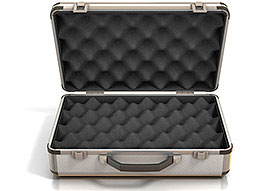
Cut strips or wedges of packaging foam sheeting to protect the edges and corners of furniture and fittings (just stick them on with masking tape). This protects the items and also protects your movers from cuts on sharp edges, such as the edges of mirrors.
Tools
Different foams suit different tools, depending on their size and nature. Small tools can be wrapped in foam wrap; larger tools are better in thicker foam sheeting or a sturdier type such as closed-cell polyethylene or Plastazote, particularly where there are sharp blades to cover.
Collectable and special items
For collectables such as models and figurines, pre-cubed foam is ideal. For very special items, consider a case you can fill with pre-cubed foam. To customise pre-cubed foam, toothpicks are handy for marking out your shapes.
Hoses, gaskets and waterproof membranes
EPDM closed-cell sponge rubber foam is used mainly in the automotive and construction industries. Typical applications include custom-made items such as coils, seals, waterproof membranes, hoses and gaskets. EPDM foam rubber is available in sheets and cut to size, in many thicknesses, with or without self-adhesive backing.
To learn more about using packaging foam for protective packaging, contact our friendly advisors today.
Frequently asked questions
Why use foam for packaging?
Foam protects products in transit and offers four main benefits: better flight safety, space and weight efficiency, good thermal insulation, and a better unboxing experience that reflects well on your brand.
What is packaging foam?
Packaging foam is a polyether polyurethane foam that protects items in applications such as lining boxes, flight cases and briefcases, with thinner foam used for wrapping objects. It is low-cost and lightweight, and can be customised with logos, colours and shapes.
What types of packaging foam are there?
Common types include foam wrap rolls, foam sheets (flat or convoluted), open-cell and closed-cell foam, pre-cubed foam for cases, and anti-static (pink) foam for electronics.
Which packaging foam should I choose?
It depends on the item: foam wrap for glass and ceramics, convoluted foam for light fittings, pre-cubed foam for ornaments and collectables, anti-static foam for circuit boards, foam sheets for furniture and edges, and EPDM sponge for hoses, gaskets and seals.
Can packaging foam be cut to size?
Yes. eFoam supplies packaging foam cut to size to match your product and case dimensions, plus pre-cubed foam you can customise by removing plugs.