






Playpens, Sensory Rooms and Safety Padding
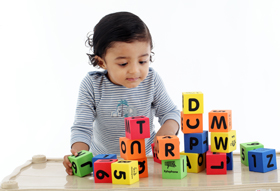
Foam is one of the most versatile man-made materials, so much so that it's used across many children's play settings. From playpens to sensory rooms to safety padding, almost every child in the UK has experienced soft play of some kind, whether at a large soft play centre or with smaller foam toys like stacking cubes.
When entertaining children, especially the very young, parents look for inventive ways to beat boredom and stimulate the senses. Many wrongly assume soft-play foam is expensive and reserved for large activity centres. At eFoam we believe the versatility of foam means it can easily be bought by parents and carers for home use.

Foam for sensory rooms
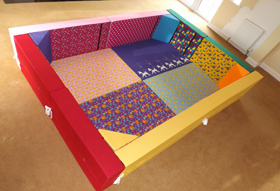
One of our most popular uses is sensory rooms. Once mainly found in paediatric therapy, home sensory rooms are now growing in popularity and use elements such as foam pits, crash pads and tunnels, as well as foam mats, ramps and ladders. Many parents order foam in a range of shapes and sizes to increase sensory stimulation, letting children pick up some objects before climbing over others. Filled with soft foam objects and hurdles to navigate, sensory rooms offer unique, relaxing tactile experiences that are safe and pleasant.
Soft foam toys
Soft foam toys are growing in popularity too. Thanks to their versatility, they're a worthwhile investment that can be passed down generations, used both indoors and out, and let children's imaginations run free. We provide foam cut to size in a diverse range of shapes, so children can design and build mini buildings, hideaways and towers to climb on and knock down. We recommend our medium to high-firm foam, which withstands a child's weight yet stays soft and safe. Our most popular shapes are cube, triangle, rectangle and circle, as they stack and slot together easily.
Packable crash mats and floor padding
Don't want a fully-fledged foam playroom? No problem. Many parents approach eFoam for thin crash mats and foam floor mats that work in activity rooms but pack away easily. Our Plastazote foam sheets make firm, waterproof thin floor padding that withstands wear and tear, and thin reconstituted chip foam (common in laminated gym mats) can also be cut to size. Though thin, both can be removed and re-stuck using Velcro and packed away at your convenience.
Foam for disabled children
Foam is also popular for disabled children, enabling physical play where a child may need extra assistance or the reassurance of increased safety. One eFoam customer designed a secure foam-based playpen for a disabled child using medium density polyurethane foam cut to various shapes, letting the child play safely. Foam-based activity toys such as soft, secure rocker chairs are common too, and we can recommend a range of foam sheets to protect children from walls, floors and hard surfaces. Our guide to foam for disabilities covers this in more depth, and for babies see our nursery-grade cot foam guide.
If you need any further assistance, please contact us.
Frequently asked questions
What foam is best for soft play toys?
We recommend a medium to high-firm foam, which can withstand the weight of a child yet stays soft and safe to play with. Our most popular shapes are cubes, triangles, rectangles and circles, as these stack and slot together easily.
What foam suits a home sensory room?
Sensory rooms typically use foam pits, crash pads and tunnels, plus foam mats, ramps and ladders. Ordering foam in a range of shapes and sizes increases sensory stimulation and lets children pick up, climb over and navigate different objects safely.
What thin foam works for packable play mats?
Plastazote foam sheets make firm, waterproof thin floor padding, and thin reconstituted chip foam (as used in laminated gym mats) can also be cut to size. Both can be removed and re-stuck with Velcro and packed away when not needed.